26 All Saints Church – Hagi Enuș
At 21 Alexandru Ioan Cuza Street, on the western edge of old Bănie, stands one of Craiova’s oldest merchants’ churches.
The church was built in 1792 by a group of the city’s merchants on the ruins of an older place of worship and rebuilt in 1869. The name comes from Hagi Enuș (Costa Petru), the merchant who endowed and cared for it—“hagi” was the title given to one who had made a pilgrimage to the holy sites, a status of respect in the merchant world of that time. The inscription also mentions a certain Nicolae Ceaușoiu as a founder, whose adopted son was related to Hagi Enuș.
The church was located on the outskirts of the old Târg de Afară, and in oral tradition it was called “Hagiu’s Church.” The name “Hagi Enuș” first appeared officially on July 29, 1859, in a letter from the City Council—a lovely detail, as it shows how a name given by the people eventually finds its way into official documents.
A little-known fact: between 1831 and 1880, one of Craiova’s oldest elementary schools operated in this church, with Ioan Gheorghiu—a singer in the church choir—serving as its first teacher. Churches back then were not just places of worship, but centers of community life: schools, gathering places, and sometimes refuges during epidemics or fires.
A significant milestone was the work of Father Dumitru Bălașa, who served here from 1940 to 1941 and conducted research on the church’s history.
The interior painting, of exceptional beauty, and the Brâncoveanu-inspired architecture highlight the craftsmanship of the artisans of yesteryear. The church has survived earthquakes, fires, and urban redevelopment, remaining a place of contemplation amid the hustle and bustle of the city.
References
- George Dem. Miulescu From the History of Craiova: Old Names of Neighborhoods and Suburbs
Continue exploring
Other recommended locations
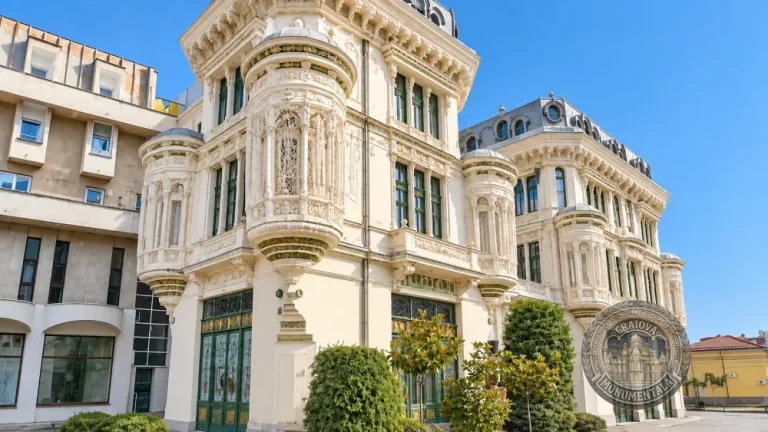
38 Minerva Hotel
The Minerva Hotel and Casino is one of the most beautiful buildings in Craiova and one of the...
View location
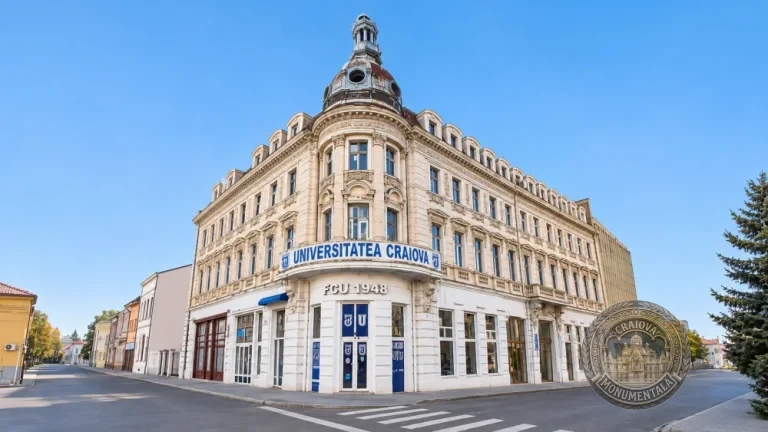
39 New York Hotel
At the intersection of Calea Unirii and Sfântul Dumitru Street, across from the Minerva Hotel, stands one of...
View location