
31 Gogu Vorvoranu Palace
Built between 1905 and 1910, it served as the residence of the Vorvoreanu family, as the headquarters of the German military command during World War I, and, since 1964, as the seat of the Metropolis of Oltenia.
Gogu Vorvoreanu was a lawyer and a major landowner, belonging to Craiova’s economic and social elite in the early 20th century. He served as prefect and senator from 1895 to 1899.
To build his residence, he commissioned architect Dimitrie Maimarolu, who was also known for designing several monumental buildings in Bucharest, such as the Patriarchal Palace and the National Military Club. The interior decorations were created by the Polish painter Francisc Tribalski.
The palace was designed in an eclectic style, with influences from the French Renaissance, Neo-Baroque, and Rococo.
After the establishment of the communist regime, the palace and other properties belonging to the Vorvoreanu family were nationalized.
During this period, the building lost its original function as an aristocratic residence.
In 1964, through a property exchange involving Metropolitan Firmilian and historian C. S. Nicolăescu-Plopșor, the Vorvoreanu Palace became the seat of the Metropolis of Oltenia.
As part of the exchange, the Metropolis ceded Casa Băniei to the Museum of Oltenia in exchange for the Vorvoreanu Palace.
In the 1970s, a wooden church from Tălpășești, Gorj County, dating from around 1780, was placed in the palace courtyard. It complements the historical and religious complex of the metropolitan residence.
References
- Marius Dobrin In Search of Memory
Continue exploring
Other recommended locations
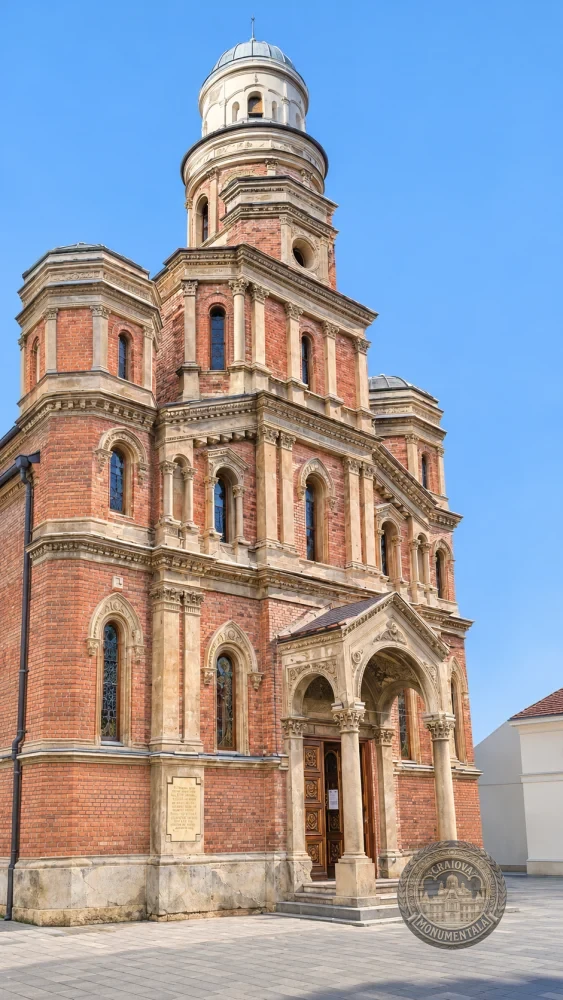
18 St. Elijah Church
St. Elijah Church is one of the most important places of worship in the central area of Craiova...
View location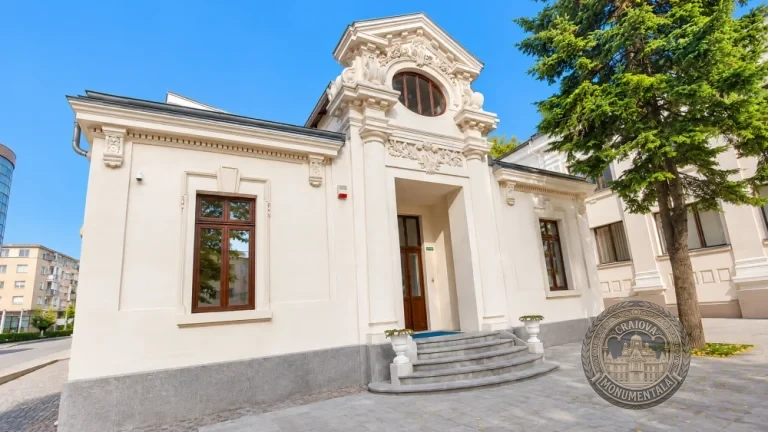
37 Elena Farago House
The “Elena Farago” Memorial House, located in the courtyard of the “Alexandru and Aristia Aman” County Library in...
View location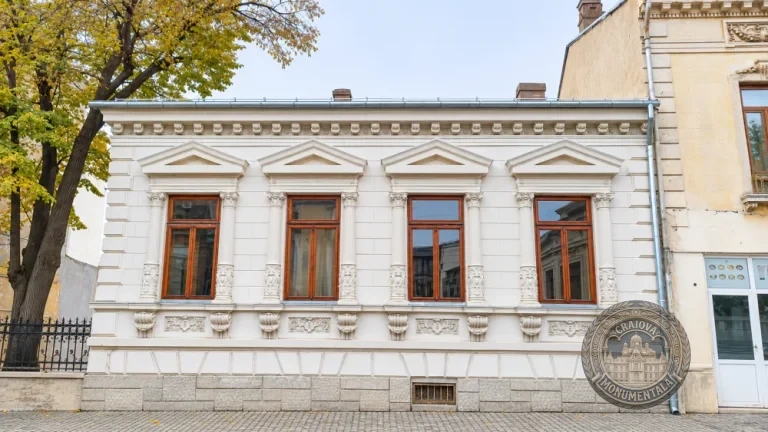
40 Diamantopol House
Built at the end of the 19th century (around 1890–1895) at 37 Calea Unirii, the Diamantopol House is...
View location